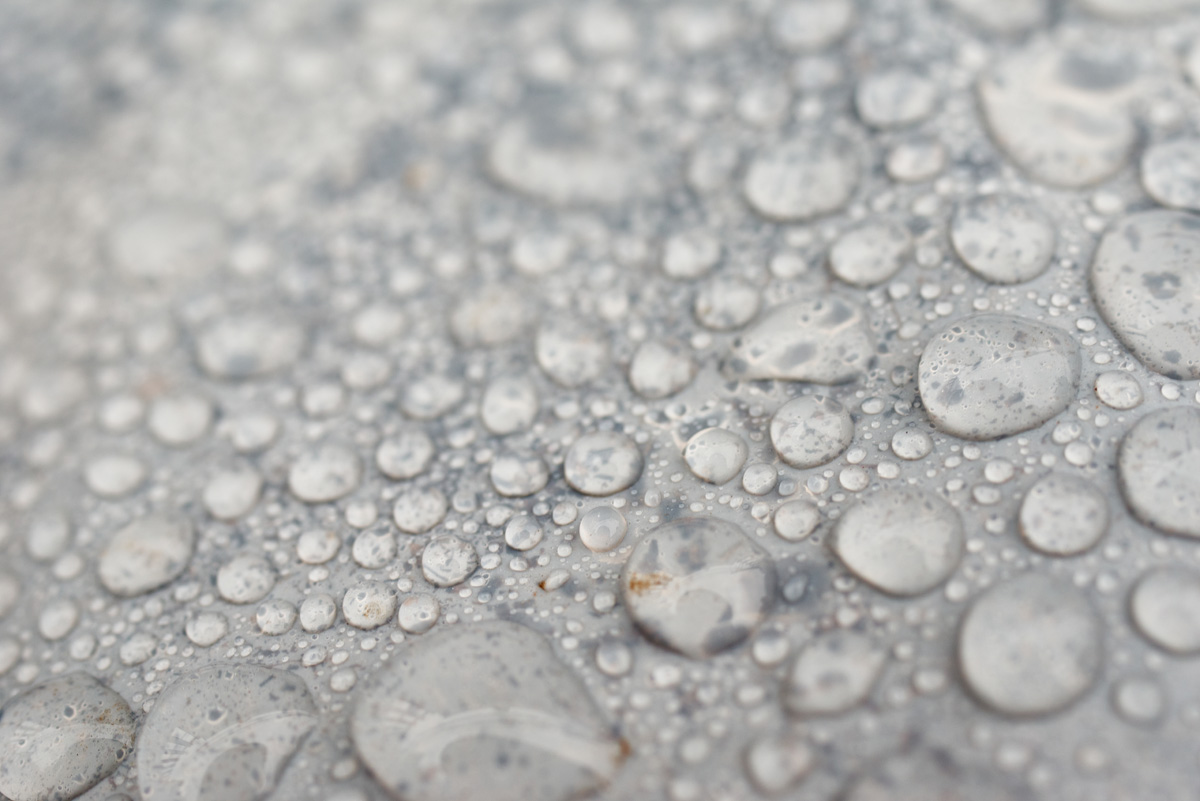
Hard water, common in Phoenix and the surrounding area, can gradually discolor plastic household items with a chalky white residue caused by minerals in the water. Typical places you might find it include water dispensers for refrigerators, humidifiers, pool accessories, patio sets, drip irrigation components, and even plastic shower accoutrements.
Fortunately, with the correct method, calcium deposits on plastic may typically be safely removed. Read on to learn more.
The Reasons Behind Calcium Deposits on Plastic
There are a lot of magnesium and calcium in hard water. Even while plastic has a smooth surface, it actually has microscopic pores that minerals can adhere to and eventually harden.
Light Calcium Deposits: A Simple Cleaning Solution
Use common household items to begin removing mild calcium buildup.
One of the best choices is white vinegar. Combine warm water with white vinegar in an equal proportion. As an alternative to soaking, you can use a cloth to apply the solution to the plastic item. After fifteen to thirty minutes, gently scrub the area with a delicate sponge or an old toothbrush. Thoroughly rinse and pat dry.
Because of its inherent acidity, lemon juice has a comparable effect.
Scrubbing with abrasive materials might damage plastic and make accumulation worse in the future.
Extraction of Dense or Intractable Calcium Deposits
A more forceful method can be required for deposits that are thicker and more solidified.
Make a paste with the vinegar and baking soda. Dot the afflicted region with it and wait for the fizzing to subside. Scrub gently, increasing the amount of vinegar as necessary.
An overnight soak in a vinegar solution will do wonders for loosening buildup on outdoor plastic parts like pool fittings or irrigation components.
A weak solution of hydrogen peroxide can be used to brighten discolored plastic without harming the surface if it remains discolored after scale removal.
Tips on How Not to Scrub Plastic
Never clean porcelain or metal using steel wool, a metal brush, or any other harsh chemical. These can cause irreparable harm to plastic surfaces and reduce their durability.
Never boil plastic unless instructed to do so by the manufacturer; doing so can cause the material to distort or even melt.
Avoiding Further Calcium Accumulation
Resolving the issue of hard water is the best strategy to avoid calcium buildup. A water softening system lowers the mineral content of the water before it reaches your appliances and fixtures. Better water quality, less maintenance, and longer equipment life are all benefits of this.
Homeowners in Arizona may rely on SaltWorksAZ for expert water softener solutions tailored to their specific water hardness issues. It could be necessary to deal with the water source, not merely the residue it leaves behind, if the calcium buildup persists.
Salt Works USA In Arizona
At Salt Works we strive to meet the salt delivery needs for the entire Phoenix valley. Proudly serving the great state of Arizona for over 20 years, Salt Works has become a leading provider for salt and water treatment needs by earning the trust of our valued customers. We promise to build on our strong foundation and reputation through exceptional customer service and quality of our products. Contact us today!