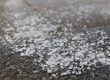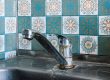
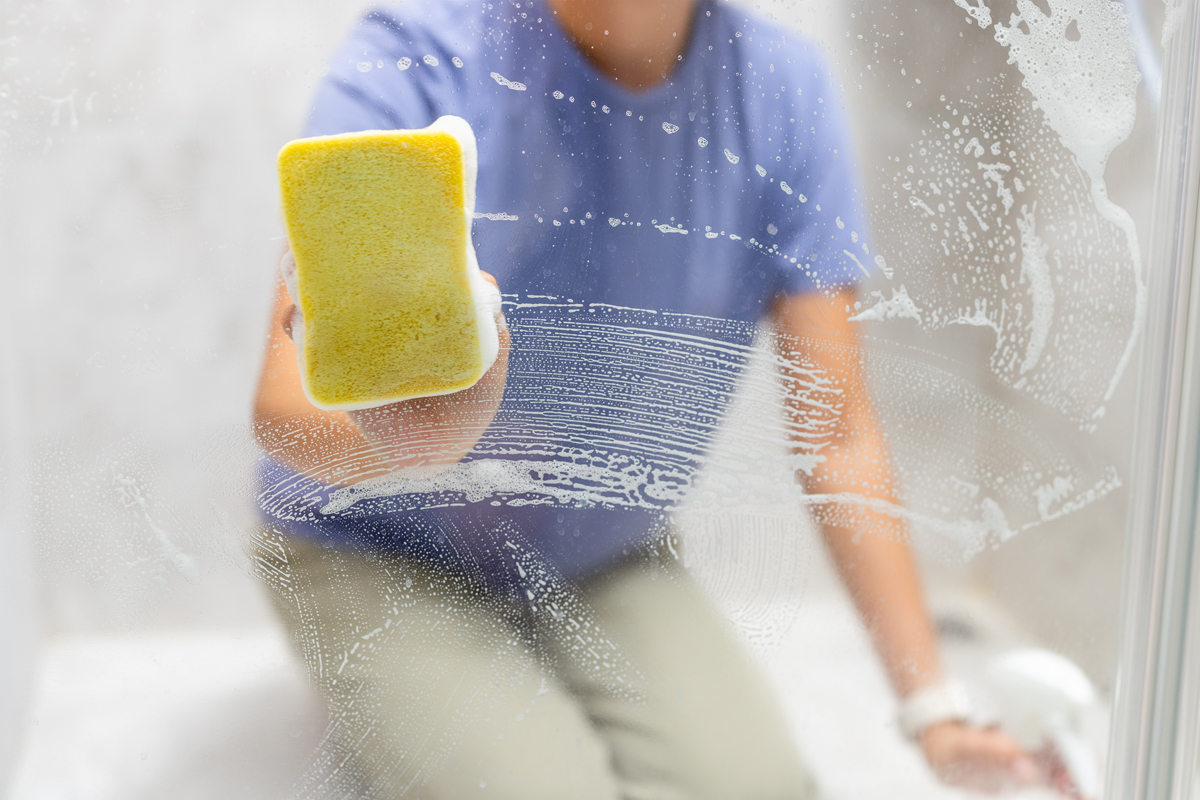
Even if you didn’t know the name for it, anyone who lives in Arizona has probably seen limescale. Limescale is the white or grayish-gray residue that builds up on plumbing fixtures, appliances, and heads of showers. Particularly prevalent in places like Phoenix and the surrounding Valley, it is one of the most prevalent indications of hard water. Read on to learn more.
Limescale is a common plumbing issue, so it’s important to know what it is, how it occurs, and why it matters.
Limescale Composition
The main component of limescale is calcium carbonate, which gives it its hard, chalky appearance. As a result of heating or evaporation, it is created from hard water, which is water with high concentrations of magnesium and calcium. The minerals are left behind as the water evaporates and they solidify onto surfaces.
The accumulation of these mineral deposits makes their removal more of a challenge as the years pass. Limescale mostly consists of calcium, but it may also include magnesium salts and other trace elements that are present in the water supply.
Where Does Limescale Typically Occur?
Any area where water is heated or used often will likely see the formation of limescale. Outdoor fixtures like hose bibs and irrigation components are common sources of leaks, but indoor fixtures like sinks, toilets, water heaters, dishwashers, washing machines, coffee makers, and kettles are also common places for leaks to occur.
Because of the high rate of evaporation in Arizona’s hot environment, limescale can form on outside and indoor surfaces much more rapidly.
The Issues Caused by Limescale
Even while limescale is aesthetically undesirable at first, it might lead to major issues down the road if you don’t get rid of it. When scale forms on pipes, it lowers water pressure, limits water flow, and makes even the most basic appliances work harder to do their jobs.
As an insulator between the water and the heating element, limescale reduces efficiency and shortens the life of water heaters. Buildup can reduce the interior diameter of plumbing pipes, which causes inefficiency and expensive repairs.
In addition to making fixtures less hygienic and harder to clean, limescale retains bacteria and debris.
Is Peeling Limescale Possible?
Vinegar or other acidic cleaning solutions, as well as commercial descaling chemicals, will dissolve limescale. On the other hand, removing it only addresses the symptoms and not the underlying cause. Limescale will keep coming back unless you fix the hard water.
Constant descaling, particularly with powerful cleansers, can wear down appliances and fixtures.
Home Precautions Against Limescale
Reducing the mineral content of your water before it enters your plumbing system is the most efficient strategy to prevent limescale. To prevent scale accumulation and improve water quality, it is important to use a water softener that is appropriately designed to remove excess magnesium and calcium.
Here at SaltWorksAZ, we’re experts in creating water softening systems that work specifically with the extremely hard water found in Arizona. Limescale, increased maintenance needs, and shorter appliance and pipe lifespans can all be avoided by treating water where it is used.
Salt Works USA In Arizona
At Salt Works we strive to meet the salt delivery needs for the entire Phoenix valley. Proudly serving the great state of Arizona for over 20 years, Salt Works has become a leading provider for salt and water treatment needs by earning the trust of our valued customers. We promise to build on our strong foundation and reputation through exceptional customer service and quality of our products. Contact us today!